






















 Find us
 Contact Us
 My account

What will be the impact of the 2030 ban on petrol and diesel cars?
22 February 2021
Ten years ago, electric vehicles (EVs) were barely anywhere to be found in car dealerships. Yet, in a decade’s time, they’ll be virtually the only thing you’ll likely see on the sales floor.
That’s thanks to the upcoming domestic ban on sales of new petrol and diesel cars, which has recently been brought forward to 2030. Of course, with a move as significant as a complete petrol and diesel car ban less than a decade away, there are naturally a lot of questions for the average driver. What will happen to our current combustion-powered cars? Will we still be able to buy used petrol and diesel cars? What will happen to prices?
With there being so many important queries surrounding the subject, we thought it best to give you a breakdown of all the main topics affected by the 2030 petrol ban, covering the future prospects for both combustion and electric cars come 2030.

The basics of the 2030 petrol and diesel ban
The ban on petrol and diesel car sales will bring a complete end to sales of all new petrol and diesel-powered vehicles. This ban is all encompassing and includes the sale of new trucks, vans and any other combustion-powered vehicle from 2030 onwards.
The idea of banning all new petrol and diesel car sales in the UK was initially floated in mid-2017, with a preliminary date of 2040 put in place for beginning the ban. However, today, we are in the midst of a major push for greater sustainability in the UK. At the back end of 2020, Boris Johnson outlined the government’s ten-point plan for a “green industrial revolution” in the UK – a concerted push over the next few decades to make us a green leader across the world.
One of the headline acts of that plan is to accelerate the shift toward zero-emissions vehicles. Because of this, the ban, which was already pushed forward to 2035 in February 2019, has now been set for 2030, with a faster transition considered feasible thanks to the growth in EV production and viability.
Will I have to scrap or convert my current petrol or diesel vehicle?
You will not have to scrap or convert your current combustion-powered vehicle upon the change in regulations. The ban is for new car sales, meaning existing petrol and diesel vehicles will still be road legal beyond 2030. It’s expected we’ll probably see diesel cars on our roads until the mid-2040s at least, as the average diesel car’s lifespan is around 14 years. So, if you want to keep on driving a petrol or diesel car, you can, but you’ll need to accept changing charges and regulations surrounding combustion vehicles. For example, many areas are likely to follow in London’s footsteps and introduce ultra-low emissions zones, so the petrol and diesel car ban is likely to make combustion vehicles much less financially and practically viable in the future.
It is possible to convert your current car from petrol or diesel to electric, but the process is currently hugely expensive, with costs lying anywhere in the £20,000-£60,000 region. That makes virtually any conversion job nonsensical, especially as EV prices continue to drop.

Are hybrids exempt from the ban?
Despite being the initial trailblazer for eco-friendly driving, hybrid cars will face a similar fate to petrol and diesel options. Although hybrid technologies are still being developed, they will also be banned just five years after new combustion vehicles are taken off the market, from 2035.
Will you still be able to buy used petrol and diesel cars in 2030 and beyond?
The ban on petrol and diesel cars only applies to new car sales, so yes – we’ll all still be able to buy second-hand petrol and diesel vehicles.
The same will apply to used hybrids, which will still be legally available to buy after 2035.
What will happen to the value of combustion-powered vehicles?
With the likely introduction of widespread ultra-low emissions zones in the coming years, resale values of petrol and diesel cars are likely to drop due to reduced demand, not to mention the presumed increased affordability of EVs.
Whether this will make used or even new combustion cars a “bargain” in 2030 is questionable. For most people, their decreased usability and the increased financial burdens (taxes, running costs, repairs) attached post-2030 will mean turning to an EV for their next purchase.
If you buy a new petrol or diesel car on finance before the 2030 petrol ban but the agreement extends beyond 2030, it’s understood that the original value of the agreement is to be honoured, even with much reduced resale values anticipated. It’s expected that dealers will push potential finance buyers in the direction of EVs over combustion as the ban draws closer.
What will happen to classic cars when petrol is banned?
With over half a million classic cars – defined for insurance purposes as any vehicle 20 years or more older – on UK roads, there is currently no suggestion that they will be treated any differently from any other combustion vehicle.
Therefore, classic cars should remain road legal with no changes in regulation currently planned.
Indeed, as EVs become the dominant force in the UK car market, it’s likely that owners of combustion cars of any age will begin to face the same challenges classic car owners do, such as the increased sparsity and cost of parts, maintenance and repairs.

Will electric cars become more affordable?
The big question is: will prices of electric cars in 2030 be on parity with those of combustion vehicles today? The answer, based on economies of scale, is yes, or there or thereabouts. As EVs become more of a fundament of society, production numbers and resources will rise and the cost of production will drop. In fact, some experts think price parity between EVs and combustion vehicles could be reached years before the petrol and diesel ban comes into play.
There are a couple of other cost changes to consider relating to EVs. One is the current plug-in grant incentive (of up to £3,000 for new EV buyers), which has been extended until March 2023. It’s likely the grant will go at some point, but the removal of it will be negated, and no doubt dictated, by decreasing EV prices.
The other is the potential alternative charges introduced to counter the expected £40bn loss from reduced car taxation. With no fuel duty or vehicle excise duty to pay on EVs, there have been a number of suggestions made to bridge the gap, including increasing the number of toll roads or introducing a “pay as you drive” sort of system. Regardless, whatever new charges are brought in to replace the old are unlikely to represent an additional expense, rather just a way to supplant outgoing duty costs.
The cost gap between EVs and combustion options has been narrowing for some time, so by the time the petrol and diesel car ban arrives, there’s unlikely to still be questions surrounding affordability. Indeed, our recent article and survey surrounding whether 2021 will be the year drivers embrace the electric car suggested many drivers might be willing to make the switch to electric sooner rather than later.
Join the electric revolution today with Robins & Day
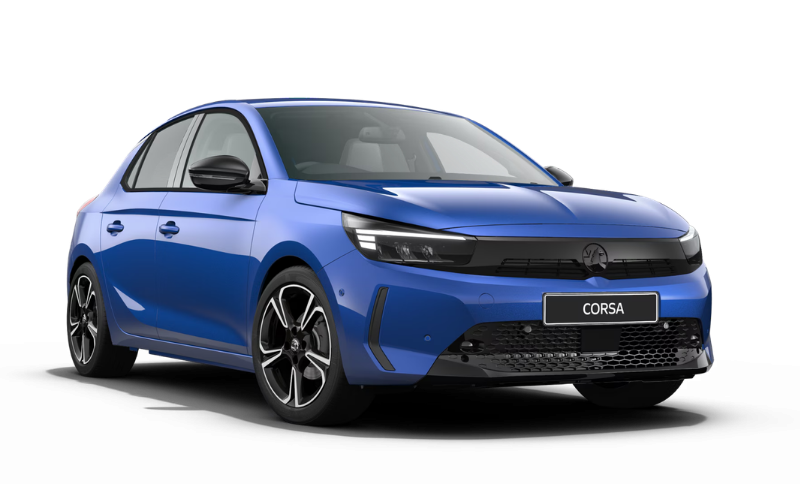
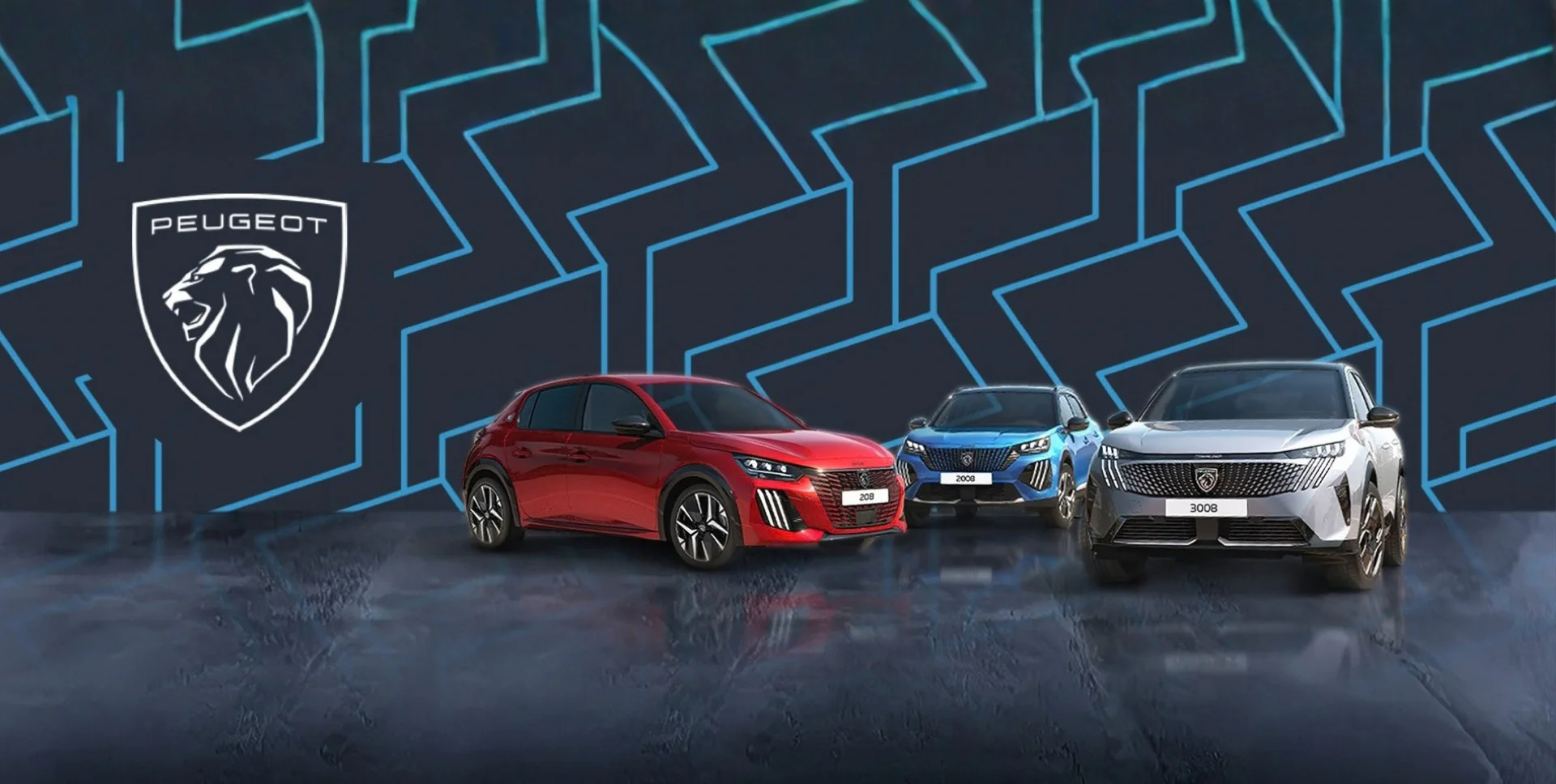
Even with the ban of new petrol and diesel cars in 2030 still some time away, the transition to electric is already well underway. If you’re thinking of getting on board with your next purchase, then we’ve got some stellar all-electric options in our Robins & Day showrooms. With models like the all-new Peugeot e-2008 SUV and the Vauxhall Mokka-e available alongside the e-208, e-C4 and Corsa-e, you’ll find some of the most popular new EVs in the market here with us.
Contact us today to discover more about our electric catalogue, or find your local dealer and pay us a visit.